Osteopetrosis
| Osteopetrosis (Malignant) | |
 | |
|---|---|
| Osteopetrosis (Image courtesy of RadsWiki) | |
| ICD-10 | Q78.2 |
| ICD-9 | 756.52 |
| OMIM | 166600 259700 |
| DiseasesDB | 9377 |
| eMedicine | med/1692 |
| MeSH | D010022 |
|
WikiDoc Resources for Osteopetrosis |
|
Articles |
|---|
|
Most recent articles on Osteopetrosis Most cited articles on Osteopetrosis |
|
Media |
|
Powerpoint slides on Osteopetrosis |
|
Evidence Based Medicine |
|
Clinical Trials |
|
Ongoing Trials on Osteopetrosis at Clinical Trials.gov Trial results on Osteopetrosis Clinical Trials on Osteopetrosis at Google
|
|
Guidelines / Policies / Govt |
|
US National Guidelines Clearinghouse on Osteopetrosis NICE Guidance on Osteopetrosis
|
|
Books |
|
News |
|
Commentary |
|
Definitions |
|
Patient Resources / Community |
|
Patient resources on Osteopetrosis Discussion groups on Osteopetrosis Patient Handouts on Osteopetrosis Directions to Hospitals Treating Osteopetrosis Risk calculators and risk factors for Osteopetrosis
|
|
Healthcare Provider Resources |
|
Causes & Risk Factors for Osteopetrosis |
|
Continuing Medical Education (CME) |
|
International |
|
|
|
Business |
|
Experimental / Informatics |
Editor-In-Chief: C. Michael Gibson, M.S., M.D. [1]
Synonyms and keywords: Marble bone disease, Albers-Schonberg disease
Overview
Osteopetrosis also known as marble bone disease and Albers-Schonberg disease is an extremely rare inherited disorder whereby the bones harden, becoming denser, in contrast to the more prevalent osteomalacia, in which the bones soften.
It can cause osteosclerosis.[1]
Cause
Normally, bone growth is a balance between osteoblasts (cells that create bone tissue) and osteoclasts (cells that destroy bone tissue). Sufferers of osteopetrosis have a deficiency of osteoclasts, meaning too little bone is being resorbed, resulting in too much bone being created.
Variations
There are three major clinical forms:
- 1. Autosomal recessive (malignant type)
- 2. Autosomal dominant (benign type)
- 3. Carbonic anhydrase II deficiency (Type 3 Renal tubular acidosis)
Symptoms
Despite this excess bone formation, people with osteopetrosis tend to have bones that are more brittle than normal. Mild osteopetrosis may cause no symptoms, and present no problems. However, serious forms can result in stunted growth, deformity, increased likelihood of fractures, and anaemia. It can also result in blindness, facial paralysis, and deafness, due to the increased pressure put on the nerves by the extra bone.
Diagnostic Findings
MRI
-
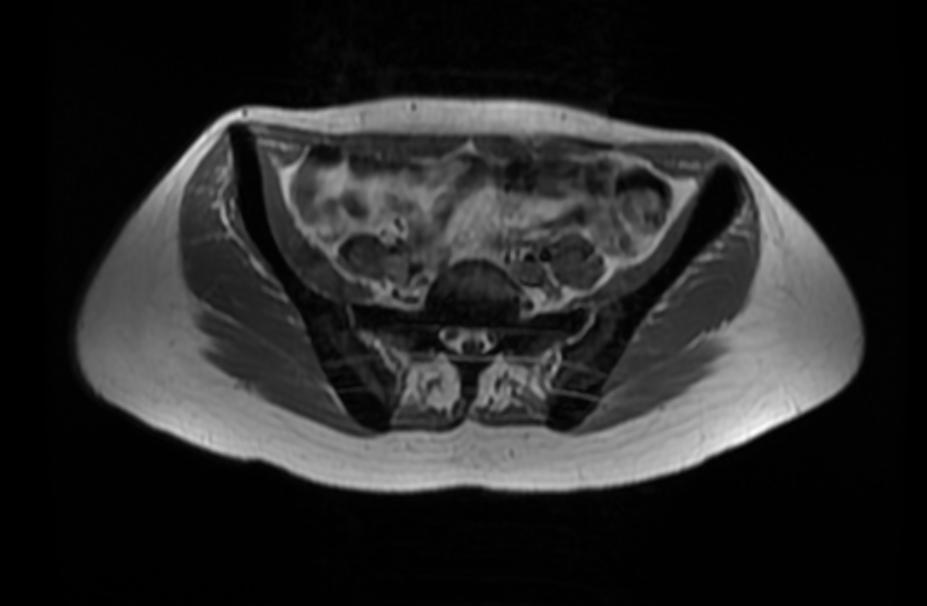 Osteopetrosis
 -
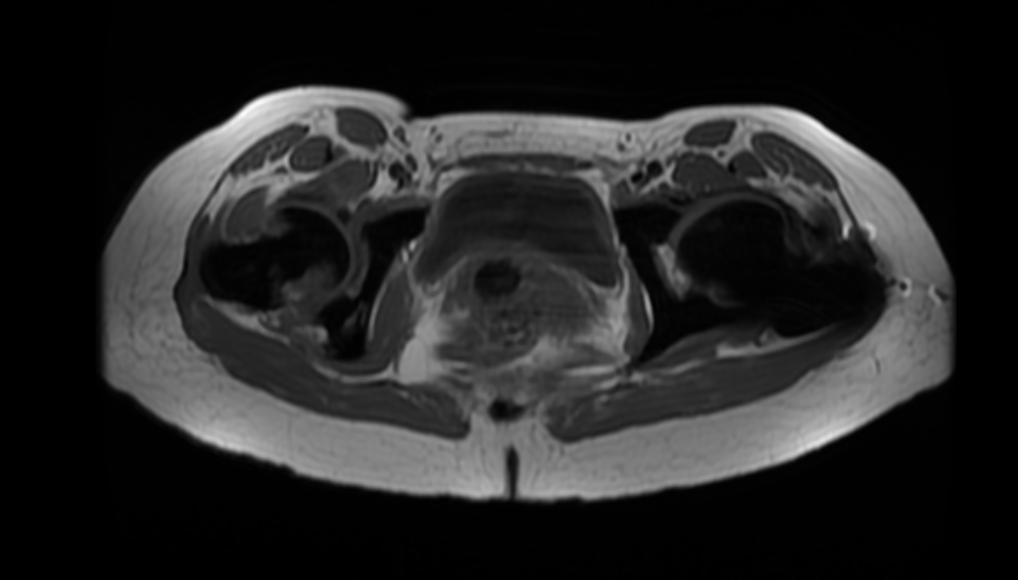 Osteopetrosis


-
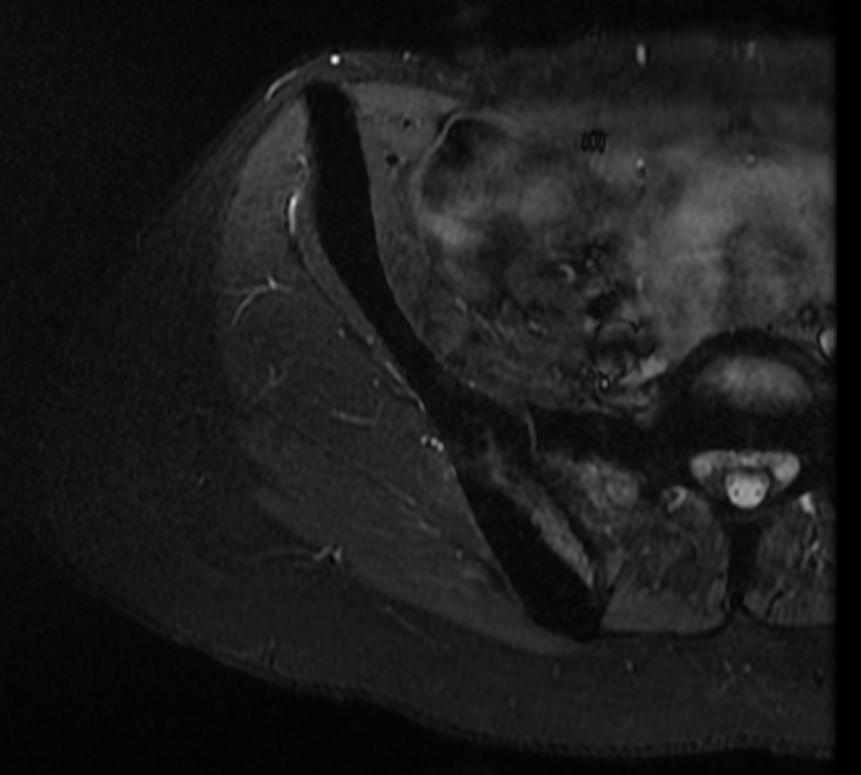 Osteopetrosis
 -
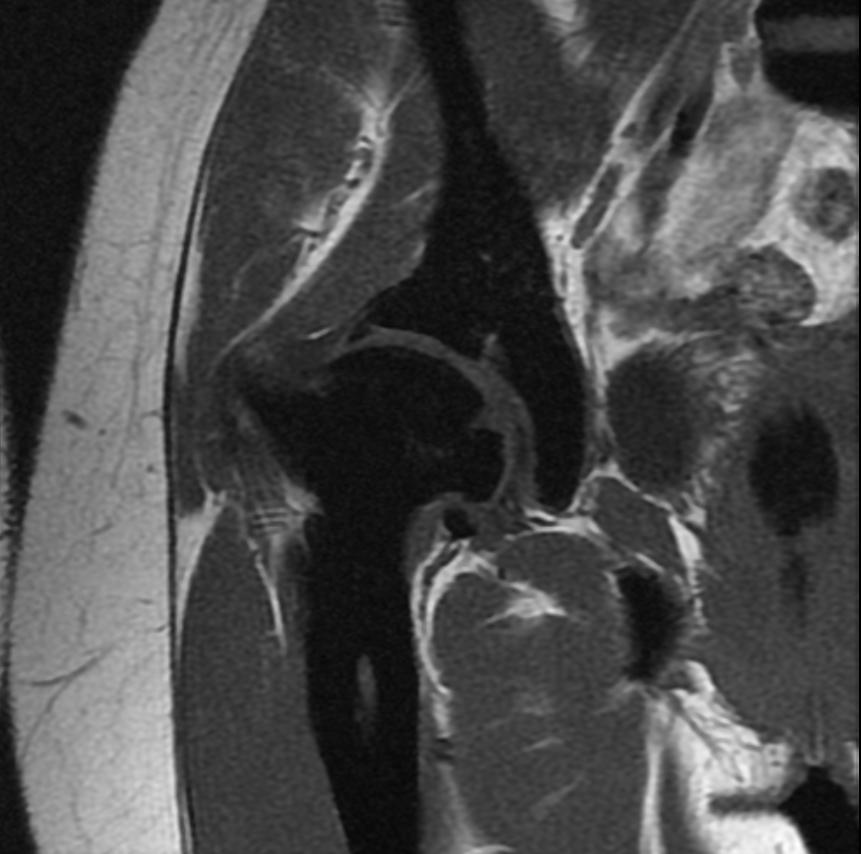 Osteopetrosis

Treatment
There is no cure, although curative therapy with bone marrow transplantion is being investigated in clinical trials. It is believed the healthy marrow will provide the sufferer with cells from which osteoclasts will develop.
See also
References
- ↑ Lam DK, Sándor GK, Holmes HI, Carmichael RP, Clokie CM (2007). "Marble bone disease: a review of osteopetrosis and its oral health implications for dentists". J Can Dent Assoc. 73 (9): 839–43. PMID 18028760.
External links
- International Osteopetrosis Association
- http://www.rarediseases.org/search/rdbdetail_abstract.html?disname=Osteopetrosis