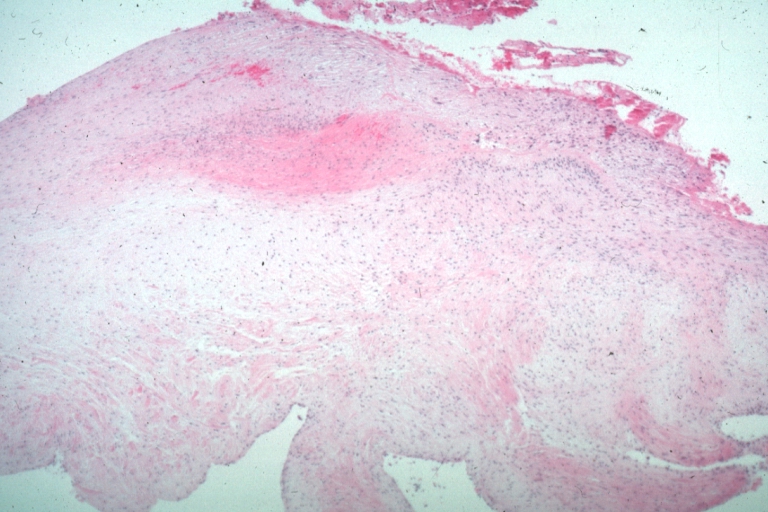
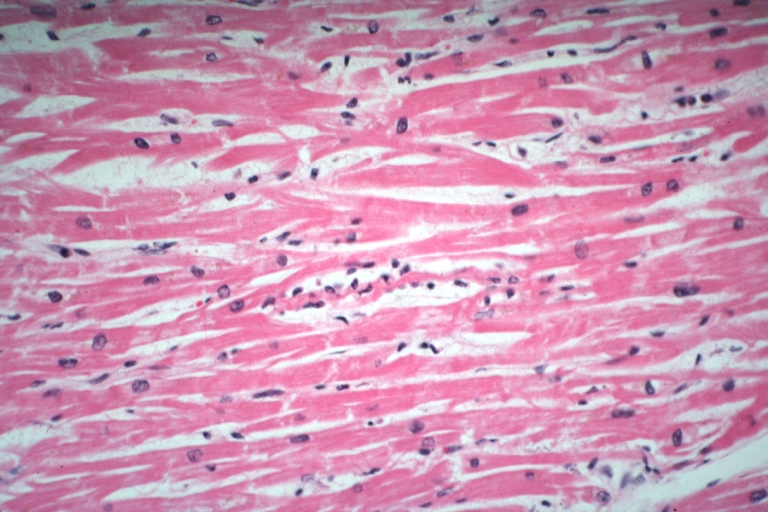
The heart in systemic lupus erythematosus (SLE)
You don't need to be Editor-In-Chief to add or edit content to WikiDoc. You can begin to add to or edit text on this WikiDoc page by clicking on the edit button at the top of this page. Next enter or edit the information that you would like to appear here. Once you are done editing, scroll down and click the Save page button at the bottom of the page.
| Cardiology Network |
| Discuss The heart in systemic lupus erythematosus (SLE) further in the WikiDoc Cardiology Network |
| Adult Congenital |
|---|
| Biomarkers |
| Cardiac Rehabilitation |
| Congestive Heart Failure |
| CT Angiography |
| Echocardiography |
| Electrophysiology |
| Cardiology General |
| Genetics |
| Health Economics |
| Hypertension |
| Interventional Cardiology |
| MRI |
| Nuclear Cardiology |
| Peripheral Arterial Disease |
| Prevention |
| Public Policy |
| Pulmonary Embolism |
| Stable Angina |
| Valvular Heart Disease |
| Vascular Medicine |
| WikiDoc Cardiology News |
![]() Read more about The heart in systemic lupus erythematosus (SLE) in the WikiDoc Cardiology News |
| All News Articles |
|---|
| Acute Coronary Syndromes |
| Biomarkers |
| Cardiovascular Imaging |
| CT Surgery |
| Diabetes |
| Electrophysiology |
| General Cardiology |
| Guidelines |
| Health Policy |
| Heart Failure |
| Hypertension |
| Interventional |
| Peripheral Arterial Disease |
| Prevention |
| Valvular Heart Disease |
Editor-In-Chief: C. Michael Gibson, M.S., M.D. [1] Phone:617-525-6884
Associate Editor: Cafer Zorkun, M.D., Ph.D. [2] Phone:617-525-7431
Please Join in Editing This Page and Apply to be an Editor-In-Chief for this topic: There can be one or more than one Editor-In-Chief. You may also apply to be an Associate Editor-In-Chief of one of the subtopics below. Please mail us [3] to indicate your interest in serving either as an Editor-In-Chief of the entire topic or as an Associate Editor-In-Chief for a subtopic. Please be sure to attach your CV and or biographical sketch.
Overview of Cardiovascular Manifestations of SLE
The prevalance of cardiac involvement in systemic lupus erythematosus(SLE) is approximately 50%. All three layers of the heart, the pericardium, myocardium and endocardium can be involved in lupus.
In the modern era, cardiovascular disease (CVD) is a major cause of morbidity and mortality in SLE patients. It has been hypothesized that the disease and its pharmacotherapy may accelerate atherosclerosis. This is in contrast to older studies in which mortality in SLE patients was usually due to an active manifestation of SLE or infection. In the modern era, there also more subtle cardiac manifestations that may now be recognized on echocardiography and other non-invasive tests. In general:
- Valvular disease is most often hemodynamically insignificant mitral regurgitation and occurs in approximately 75% of patients[1][1]
- Pericardial disease is most often a clinically silent effusion and occurs in up to 55% of patients[1]
- Myocardial dysfunction occurs in up to 78% of patients[1]
- Coronary artery disease [1]
Pericarditis in SLE
Pericardial involvement is the second most common echocardiographic manifestation of SLE, and is the most frequent cause of symptomatic cardiac disease in the patient with SLE. Pericardial effusion occurs at some point in over one-half of SLE patients, and a benign pericarditis may precede other clinical signs of lupus.
While pericarditis is often not evident clinically, it is included in the American College of Rheumatology (ACR) classification criteria for SLE.
The pericardium can be involved in both acute and chronic inflammatory changes. Granular deposition of immunoglobulin and C3 on direct immunofluorescence, support the role of immune complexes in the development of pericarditis.
The prevalence of pericardial abnormalities on echocardiography ranges from 11% to 54%. The variability in the prevalence may be attributable to the methods used to document pericardial disease and whether symptomatic or asymptomatic cases are included. Clinical (symptomatic) pericarditis is estimated to occur in 25% of SLE patients at some point in the course of their disease. Asymptomatic pericardial effusions are more common than the symptomatic percardial effusions. In fact, 40% of unselected SLE patients have a pericardial effusion on echocardiography. Moreover, autopsy series demonstrate pericardial involvement in 62% of patients with SLE.
Pericardial involvement appears more frequently at the time of the initial onset of SLE, or during flares of SLE, although it can occur at any time during the course of the disease. Pericarditis may occur as an isolated attack or as recurrent episodes.
Diagnosis
Signs and Symptoms
Signs and symptoms of acute pericarditis include a typical precordial or substernal chest pain, which is usually positional (aggravated by lying flat), often with a pleuric quality, sometimes with dyspnea. Patients may also complain of fever and tachycardia. On physical examination there may be decreased heart sounds; pericardial friction rubs can be heard but are rare, and may be evanescent as they may be present for only a few hours. Patients with a pericardial effusion (as opposed to pericardial thickening) are more likely to have pericardial pain and active lupus elsewhere; when present, the pericardial effusion is usually small and is not associated with hemodynamic compromise.
Electrocardiogram
There may be elevated ST segments and peaked T waves (although slight T-wave changes or transient elevation of ST segments may also be present).
Echocardiography
Echocardiography is an excellent tool to demonstrate mild effusion or thickening of pericardial layers, and should be performed periodically in SLE patients.
Laboratory Evaluation of Pericardial Fluid
The pericardial fluid is a fibrinous exudate or transudate that may contain antinuclear antibodies, LE cells, low complement levels, and immune complexes similar to those seen in lupus pleural effusions. The glucose concentration is normal and the protein concentration is variable, being low with a transudate and elevated with an exudate. The pericardium may reveal foci of inflammatory lesions with immune complexes. There is usually a predominance of mononuclear cells, but scarring may be the primary finding in healed disease.
Complications
Complications of pericarditis, such as cardiac tamponade, constrictive pericarditis and purulent pericarditis are rare, and invasive procedures such as pericardiocentesis or pericardial window are rarely needed.
Treatment
Non-steroidal anti-inflammatory drugs and/or corticosteroids are the first line of treatment in mild pericarditis. Intravenous bolus of corticosteroid is necessary in more severe cases or if cardiac tamponade is present, while in patients with recurring pericarditis, chronic suppression with methotrexate, azathioprine or mycophenolate mofetil may be effective.
Myocarditis in SLE
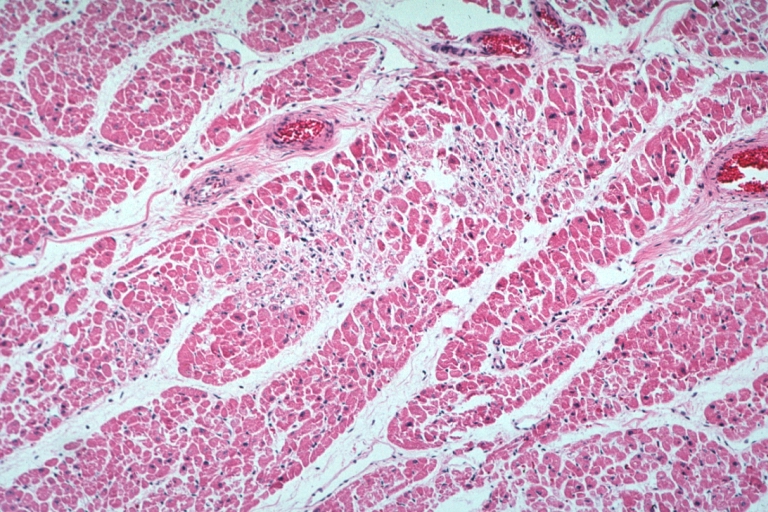
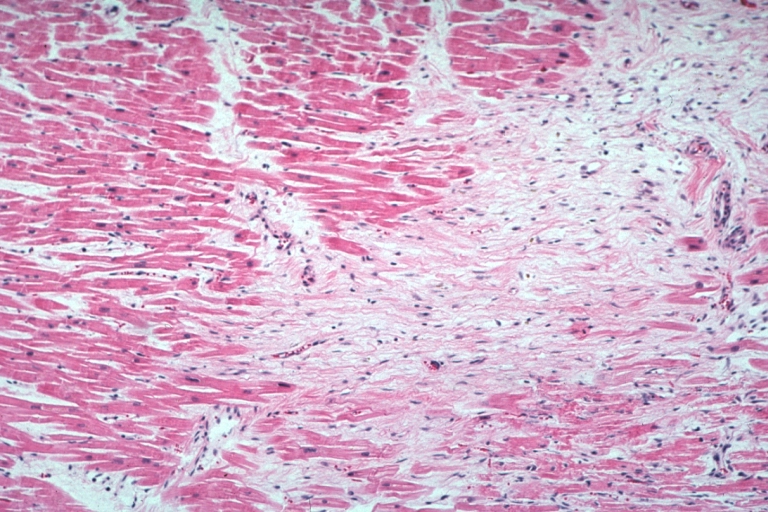
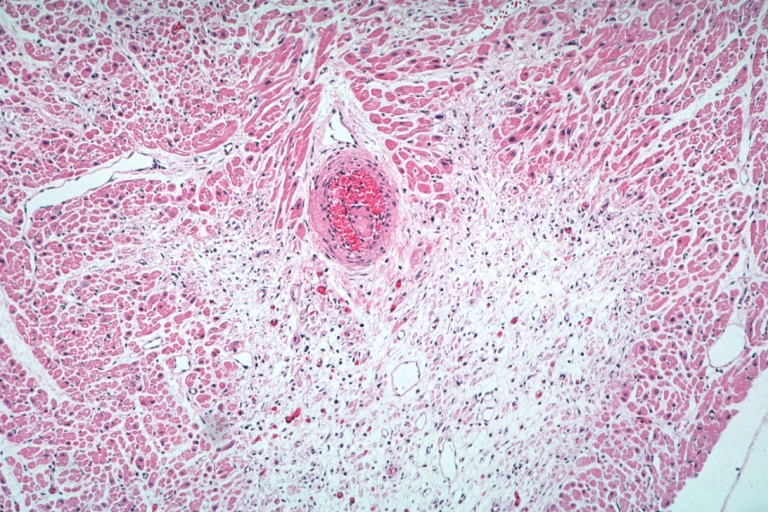
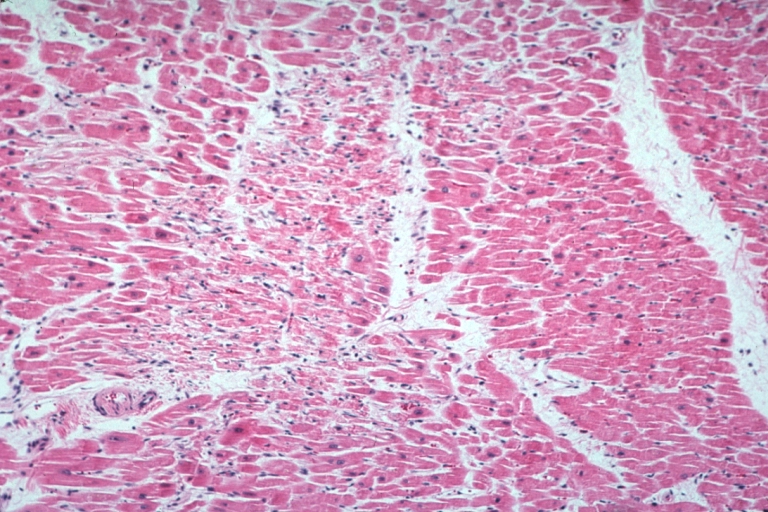
Myocarditis appears to be much more common in autopsy studies (mainly done in the 1950s and 60s) than it is clinically consistent with the largely subclinical nature of lupus-associated myocarditis. It is uncommon and often asymptomatic manifestation of SLE with a prevalence of 8% to 25% in different studies.
Myocarditis should be suspected if there is resting tachycardia disproportionate to body temperature, electrocardiographic abnormalities (such as ST and T wave abnormalities), or if unexplained cardiomegaly is present. The cardiomegaly may be associated with symptoms of congestive heart failure, conduction abnormalities, and/or arrhythmias. Echocardiography may reveal abnormalities in both systolic and diastolic function of the left ventricle. Myocarditis has been associated in some cases with antibodies to ribonucleoprotein and extractable nuclear antigen.
Immunofluorescence studies demonstrate fine granular immune complexes and complement deposition in the walls and perivascular tissues of myocardial blood vessels, supporting the hypothesis that lupus myocarditis is an immune complex-mediated disease. Some reports demonstrate an association between anti-SSA/Ro antibodies and myocarditis.
Diagnosis
Signs and Symptoms
Signs and symptoms are similar to those of myocarditis due to other causes (dyspnea, tachycardia, arrhythmias) and they can progress to ventricular dysfunction, dilated cardiomyopathy and heart failure.
Electrocardiogram
There are no typical findings on ECG, and cardiac enzymes may be normal.
Echocardiography
Echocardiographic studies cannot definitely diagnose myocarditis, but global hypokinesis, in the absence of other known causes, is strongly suggestive of lupus myocarditis. Large echo series have found frequencies of global hypokinesis between 5 and 20%. Segmental areas of hypokinesis can be indicative of the disease.
Cardiac Magnetic Resonance Imaging
Recently, other non-invasive investigations such as magnetic resonance imaging are employed for diagnosing myocardial involvement in SLE: T2 values sensitively indicated myocardial relaxation abnormalities, even at preclinical stage.
Endomyocardial Biopsy
Despite of its invasive nature and sampling error risk, endomyocardial biopsy is the technique of choice in diagnosing of myocarditis.
Treatment
Myocarditis, although mild, should be treated promptly with high-dose steroids. In severe cases it may be necessary to administer intravenous pulse corticosteroid followed by high oral doses. The addition of immunosuppressant such as azathioprine, cyclophosphamide or intravenous immunoglobulines (IVIG) may be helpful in the treatment of myocarditis.[1]
Efficacy of the therapy can be assessed by serial echocardiographic studies or right ventricular endomyocardial biopsies.
Recently, an association of SLE and giant cell myocarditis has been reported. Despite clinical similarities, lupus myocarditis and giant cell myocarditis are histologically distinct entities, and the latter has a much more unfavourable prognosis.
Valvular Disorders in SLE
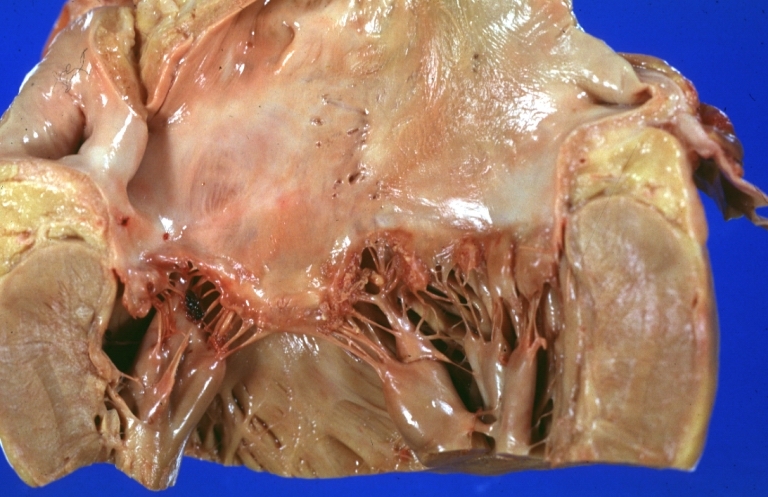
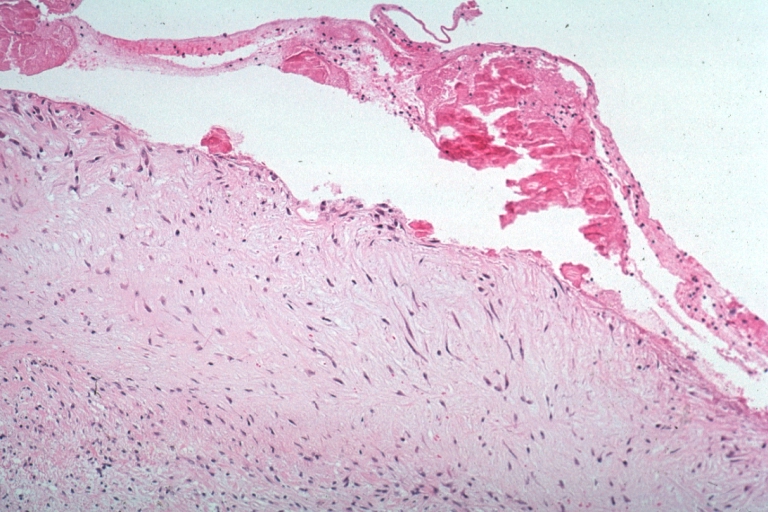
American physicians Emanuel Libman and Benjamin Sacks described a non-infectious verrucous valvular lesion (the clinical entity is referred to as Libman-Sacks endocarditis). The prevalence of these valvular abnormalities varies considerably in different studies from 18 to 54%. Different patient selection criteria and echocardiographic techniques might account for the varying prevalence.
Despite the availability of more sensitive diagnostic modalities, verrucous lesions have become less common in recent studies. It is not clear if these results are related with improved efficacy of treatment.
Systolic murmurs have been noted in 16-44% of patients. [1] Structural valvular disease is most common [1] [1] [1] [1] [1] but anemia, fever, tachycardia, and cardiomegaly can induce functional murmurs. Diastolic murmurs have been noted in 1-3% of patients. [1] They often reflect aortic insufficiency, which occasionally requires valve replacement.
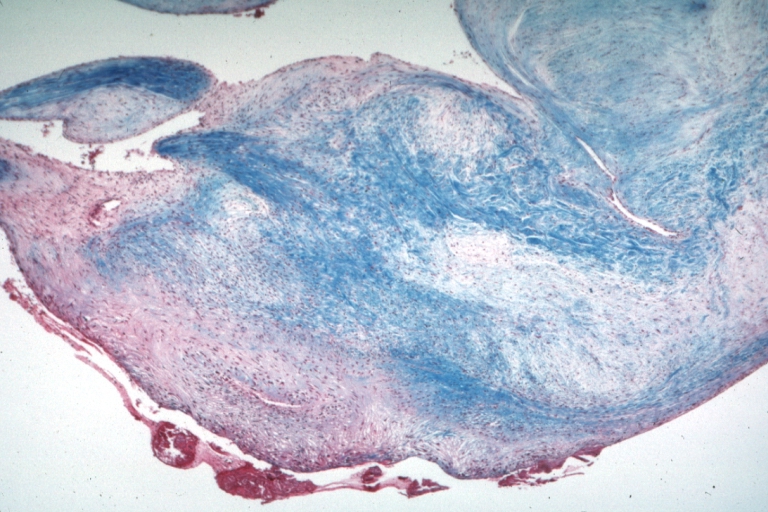
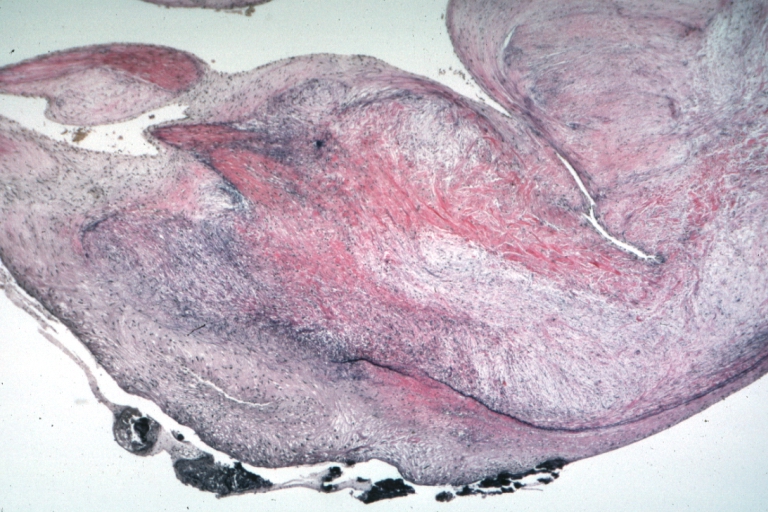
Diffuse thickening of valvular leaflets occurs in 14-40%. In some cases valve involvement leads to valvular regurgitation and stenosis. Valvular stenosis is more frequently observed than valvular regurgitation. Mitral valve involvement is most common; a mild to moderate mitral regurgitant murmur may be heard, but most patients remain asymptomatic [1] [1] [1] Mitral valve prolapse appears to occur with increased frequency in lupus, occurring in 25% of cases in another study vs. 9% of controls [1]
A recent report used transesophageal echocardiography, which is more sensitive than transthoracic echocardiography, to determine the frequency, clinical course, and complications of valvular disease in 69 patients with SLE, most of whom underwent a second study at a mean of 29 months later. [1] The following findings were noted:
- Thickening of the leaflets was the most common, occurring in 51% and 52% of patients at the two study times. This lesion is due to initial valvulitis followed by healing with fibrosis and thickening.
- Valvular vegetations were present in 43% and 34% of patients respectively.
- Valvular regurgitation was noted in 28% percent at both time periods.
- Valvular stenosis, which was not progressive, was found in 4% and 3% respectively.
- The manifestations of the valvular disease frequently changed: some resolved, others appeared for the first time, and some changed their appearance.
- Neither the presence of nor changes in valvular disease were temporally related to disease activity, therapy, or the duration of SLE.
- Perhaps most importantly, there was an appreciable incidence of serious complications in the patients with valvular disease. After a mean follow-up of almost five years, the combined incidence of stroke, peripheral embolism, heart failure, infective endocarditis, and death was 22% vs. 15% in the 13 patients without valvular disease. The incidence of stroke in patients with valvular disease was 13%.
If these data were broadly applicable, then all patients with lupus would require serial echocardiographic monitoring on a continuing basis to detect and treat the development of new, potentially serious valvular lesions. However, the high incidence of complications from valvular disease in this study has not been observed in other studies. The reason for this discrepancy is not known. Our routine practice is to perform cardiac auscultation at most visits, followed by echocardiography for the evaluation of significant or changing murmurs or changing cardiac function.
In addition to valvular disease, plasma homocysteine levels appear to be another risk factor for stroke in SLE (and in the general population). A prospective study from the Hopkins Lupus Cohort study evaluated 337 patients with SLE for a mean duration of 4.8 years [1] The endpoints were stroke or arterial or venous thrombotic events. After adjustment for established risk factors, an increase of one log unit of plasma homocysteine concentration was an independent risk factor for both stroke and arterial thromboses (relative risk 2.44 and 3.49 respectively).
An association between antiphospholipid antibodies and valvular lesions have been shown in several studies and this combination has been demonstrated to constitute a special risk for cerebrovascular lesions [1] [1] [1] [1] In one report, for example, 78% with high levels of antiphospholipid antibodies had at least one cardiac abnormality [1] Patients with mild pulmonary hypertension, a less common complication of lupus, are also more likely to have antiphospholipid antibodies. [1]
However, other reports have not confirmed the relationship between antiphospholipid antibodies and cardiac disease [1] [1]
References
Acknowledgement and Attribution Regarding Sources of Content
Some of the initial content on this page may be incorporated in part from copyleft sources in the public domain including wikis such as Wikipedia and AskDrWiki. Drug information for patients came from the The National Library of Medicine. Infectious disease information may have come from the Centers for Disease Control (CDC). Differential Diagnoses are drawn from clinicians as well as an amalgamation of 3 sources: 1.The Disease Database; 2. Kahan, Scott, Smith, Ellen G. In A Page: Signs and Symptoms. Malden, Massachusetts: Blackwell Publishing, 2004:3; 3. Sailer, Christian, Wasner, Susanne. Differential Diagnosis Pocket. Hermosa Beach, CA: Borm Bruckmeir Publishing LLC, 2002:7 .