Mydriasis
|
WikiDoc Resources for Mydriasis |
|
Articles |
|---|
|
Most recent articles on Mydriasis |
|
Media |
|
Evidence Based Medicine |
|
Clinical Trials |
|
Ongoing Trials on Mydriasis at Clinical Trials.gov Clinical Trials on Mydriasis at Google
|
|
Guidelines / Policies / Govt |
|
US National Guidelines Clearinghouse on Mydriasis
|
|
Books |
|
News |
|
Commentary |
|
Definitions |
|
Patient Resources / Community |
|
Patient resources on Mydriasis Discussion groups on Mydriasis Directions to Hospitals Treating Mydriasis Risk calculators and risk factors for Mydriasis
|
|
Healthcare Provider Resources |
|
Causes & Risk Factors for Mydriasis |
|
Continuing Medical Education (CME) |
|
International |
|
|
|
Business |
|
Experimental / Informatics |
Editor-In-Chief: C. Michael Gibson, M.S., M.D. [1] Associate Editor(s)-in-Chief: Luke Rusowicz-Orazem, B.S.
Synonyms and keywords: Pupillary dilation; dilated pupil
Overview
Mydriasis is an excessive dilation of the pupil due to disease, trauma or drugs. Normally, the pupil dilates in the dark and constricts in the light. A mydriatic pupil will remain excessively large, even in a bright environment. Sometimes colloquially referred to as a "blown pupil."
The opposite, constriction of the pupil, is called miosis.
Pathophysiology
There are two types of muscle that control the size of the iris: circular muscle and radial muscle. The former is innervated by the parasympathetic nervous system, the latter by the sympathetic nervous system. Sympathetic stimulation of α1 adrenergic receptors causes the contraction of the radial muscle, and subsequent dilation of the pupil. Conversely, parasympathetic stimulation cause contraction of the circular muscle and constriction of the iris.
The mechanism of mydriasis depends on the agent being used. It usually involves either a disruption of the parasympathetic nerve supply to the eye (which causes contraction of the pupil), or over activity of the sympathetic nervous system (SNS).
Causes
Common Causes
- Adregenic agents
- Amphetamines
- Antihistamines
- Antipsychotic agents
- Apraclonidine
- Atropine
- Chlorpheniramine
- Chlorpromazine
- Cinnarizine
- Cocaine
- Cyclopentolate
- Diphenhydramine
- Dipivefrin
- Disopyramide
- Dopram injection
- Doxapram hydrochloride
- Hallucinogens
- Hexamethonium
- Hydroxyzine
- Lachesine
- Levomepromazine
- Lysergic acid diethylamide
- Mdma
- Mescaline
- Naphazoline
- Noradrenaline
- Opiate
- Oxcarbazepine
- Perazine
- Phenelzine
- Phenylephrine
- Pipothiazine
- Pizotifen
- Prochlorperazine
- Psychedelic mushrooms
- Sibutramine
- Systemic anticholinergics
- Tetrahydrozoline
- Tricyclic antidepressants
- Tropicamide
Causes by Organ System
| Cardiovascular | No underlying causes |
| Chemical/Poisoning | No underlying causes |
| Dental | No underlying causes |
| Dermatologic | No underlying causes |
| Drug Side Effect | Adregenic agents, Amphetamines, Antihistamines, Antipsychotic agents, Apraclonidine, Atropine, Chlorpheniramine, Chlorpromazine, Cinnarizine, Cocaine, Cyclopentolate, Diphenhydramine, Dipivefrin, Disopyramide, Dopram injection, Doxapram hydrochloride, Hallucinogens, Hexamethonium, Hydroxyzine, Lachesine, Levomepromazine, Lysergic acid diethylamide, Mdma, Mescaline, Naphazoline, Noradrenaline, Opiate, Oxcarbazepine, Perazine, Phenelzine, Phenylephrine, Pipothiazine, Pizotifen, Prochlorperazine, Psychedelic mushrooms, Sibutramine, Systemic anticholinergics, Tetrahydrozoline, Tricyclic antidepressants, Tropicamide |
| Ear Nose Throat | No underlying causes |
| Endocrine | No underlying causes |
| Environmental | No underlying causes |
| Gastroenterologic | No underlying causes |
| Genetic | No underlying causes |
| Hematologic | No underlying causes |
| Iatrogenic | No underlying causes |
| Infectious Disease | No underlying causes |
| Musculoskeletal/Orthopedic | No underlying causes |
| Neurologic | 3rd cranial nerve disorder, Adie's tonic pupil, Autonomic seizure, Brain death, Cerebral oedema, Coma, Raised intracranial pressure, Seizures, Serotonin syndrome, Third nerve palsy, Weber syndrome |
| Nutritional/Metabolic | No underlying causes |
| Obstetric/Gynecologic | No underlying causes |
| Oncologic | No underlying causes |
| Ophthalmologic | Acute closed angle glaucoma, Adie's tonic pupil, Benign episodic mydriasis, Pourfour du petit syndrome |
| Overdose/Toxicity | No underlying causes |
| Psychiatric | No underlying causes |
| Pulmonary | No underlying causes |
| Renal/Electrolyte | No underlying causes |
| Rheumatology/Immunology/Allergy | No underlying causes |
| Sexual | No underlying causes |
| Trauma | Coma, Trauma |
| Urologic | No underlying causes |
| Miscellaneous | No underlying causes |
Causes in Alphabetical Order
Causes in Alphabetical Order
- 3rd cranial nerve disorder
- Acute closed angle glaucoma
- Adie's tonic pupil
- Adregenic agents
- Amphetamines
- Antihistamines
- Antipsychotic agents
- Apraclonidine
- Atropine
- Autonomic seizure
- Benign episodic mydriasis
- Brain death
- Cerebral oedema
- Chlorpheniramine
- Chlorpromazine
- Cinnarizine
- Cocaine
- Coma
- Congenital mydriasis
- Cyclopentolate
- Diphenhydramine
- Dipivefrin
- Disopyramide
- Dopram injection
- Doxapram hydrochloride
- Hallucinogens
- Hexamethonium
- Hydroxyzine
- Lachesine
- Levomepromazine
- Lysergic acid diethylamide
- Mdma
- Mescaline
- Naphazoline
- Noradrenaline
- Opiate
- Oxcarbazepine
- Perazine
- Phenelzine
- Phenylephrine
- Pipothiazine
- Pizotifen
- Pourfour du petit syndrome
- Prochlorperazine
- Psychedelic mushrooms
- Raised intracranial pressure
- Seizures
- Serotonin syndrome
- Sibutramine
- Systemic anticholinergics
- Tetrahydrozoline
- Third nerve palsy
- Trauma
- Tricyclic antidepressants
- Tropicamide
- Weber syndrome
Diagnostic Findings
History and Symptoms
- Complete history with special attention to:
- Neurologic
- Ophthalmologic
- Otolaryngologic
Physical Examination
Eyes
-

Pupil dilated using anaesthetic and muscle relaxant
-
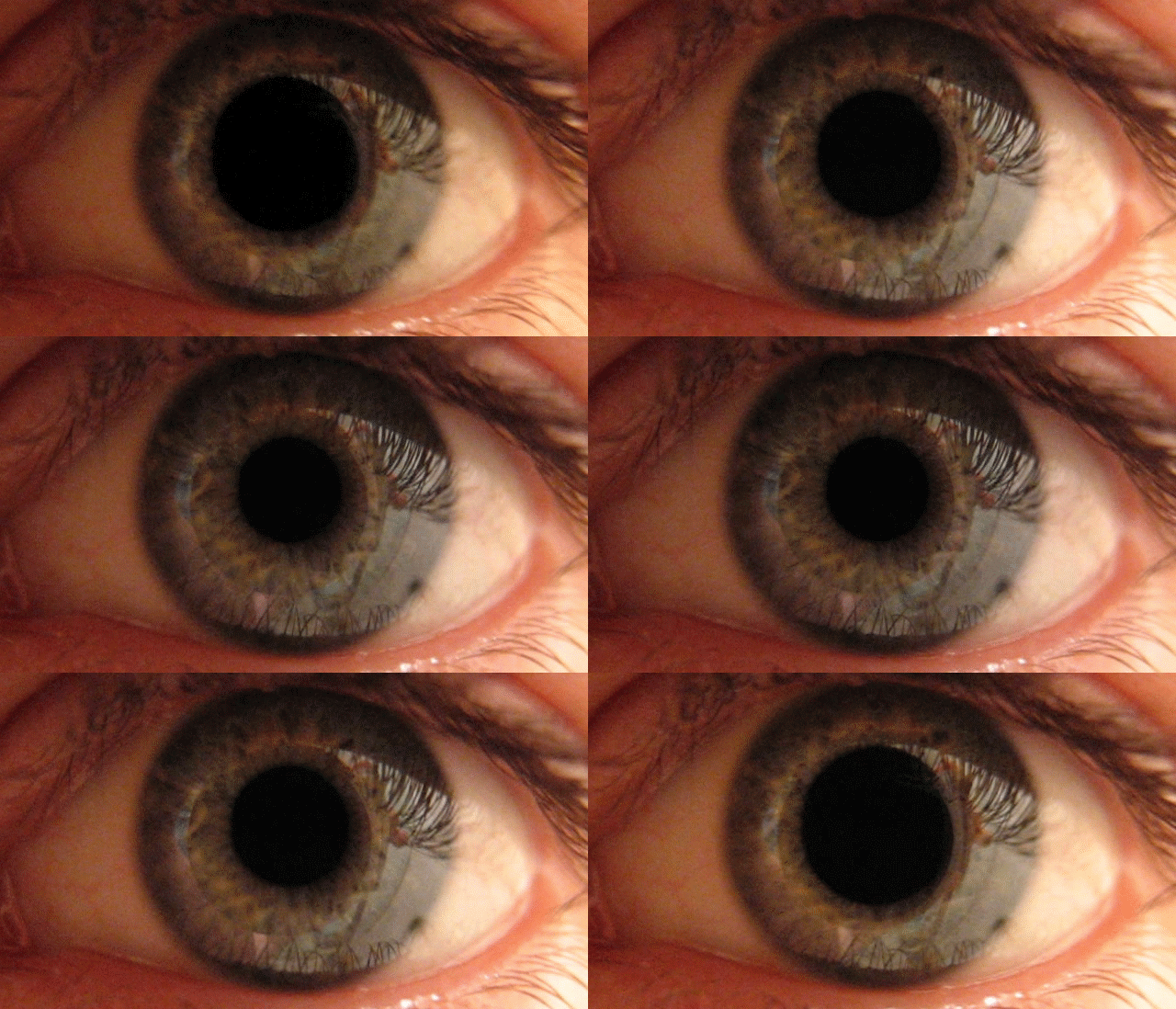
Pupillary response


- Pupil size (light & dark)
- Pupil response to light and convergence
- Lid position
MRI
- MRI to check for third cranial nerve palsy
Treatment
Medical Therapy
- Adie's pupil - Pilcarpine .125% BID-QID
- Migraines - pain meds, antidepressants, anticonvulsants, beta blockers, calcium channel blockers
Primary Prevention
- Remove causative medication
- Sunglasses to decrease light sensitivity
Related Chapters